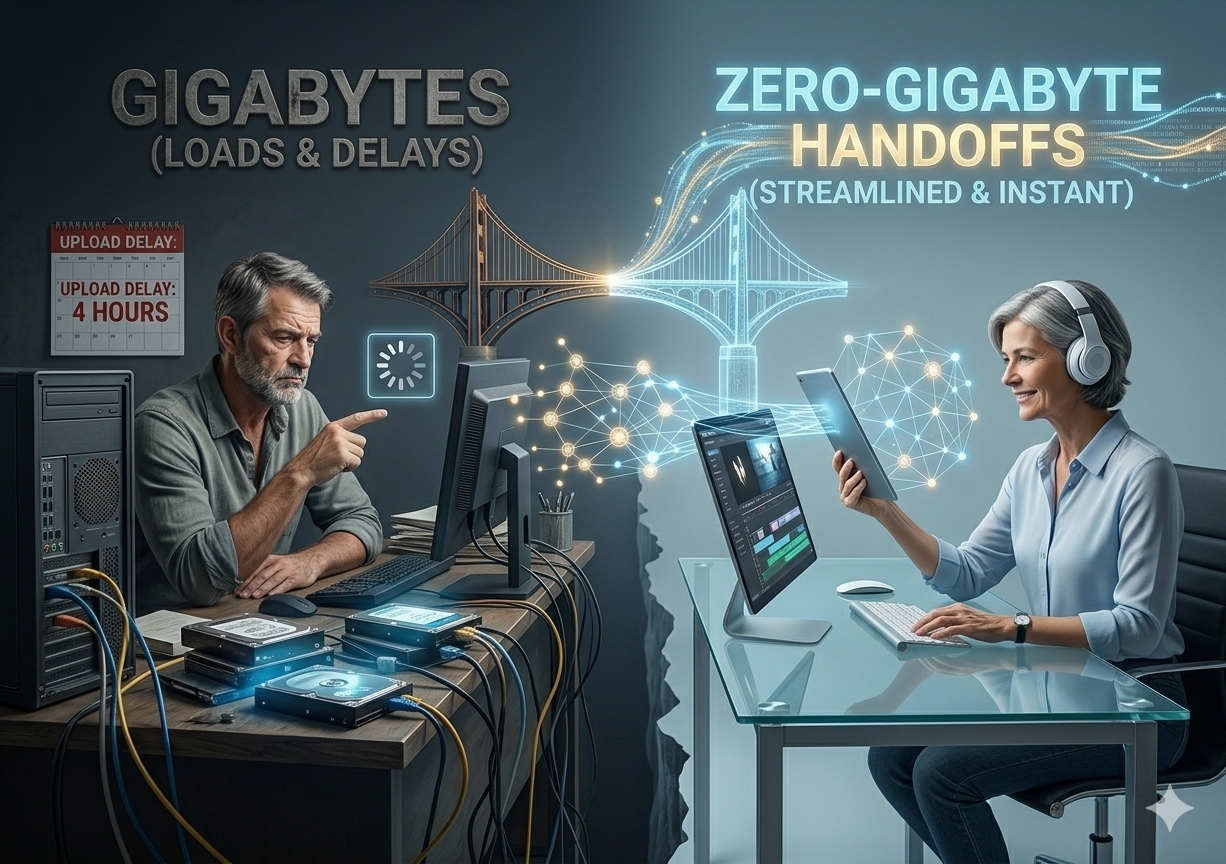
By eliminating the need to compile, compress, and render colossal master files, zero-gigabyte handoffs fundamentally rebuild the relationship between independent creators and their clients. In a traditional post-production pipeline, a freelancer completes an edit only to hit a massive operational wall: waiting hours for a ProRes or H.264 export, troubleshooting failed uploads to cloud drives, and battling metered storage limits on platforms like Dropbox or Frame.io. Web-native engine architectures bypass this entire sequence by decoupling the visual preview from the underlying multi-gigabyte source asset. Instead of shipping actual media packets back and forth across the internet, the browser acts as a local execution layer, instantly rendering active timelines, color profiles, audio layers, and cuts via highly lightweight workspace states.For the freelance editor, this architectural shift transforms file management from an agonizing time sink into a non-issue, freeing up hours of billable time to focus strictly on creative execution and high-value revisions. For the client, the friction of downloading massive files, managing zip archives, or dealing with playback buffering on sub-optimal connections disappears entirely. They receive a clean, immediate, browser-based link that plays instantly on any device, allowing feedback to happen in real-time. By shrinking feedback loops from days to seconds, zero-gigabyte handoffs establish a professional, highly responsive delivery system that turns technical efficiency into a competitive business advantage for freelance creators.
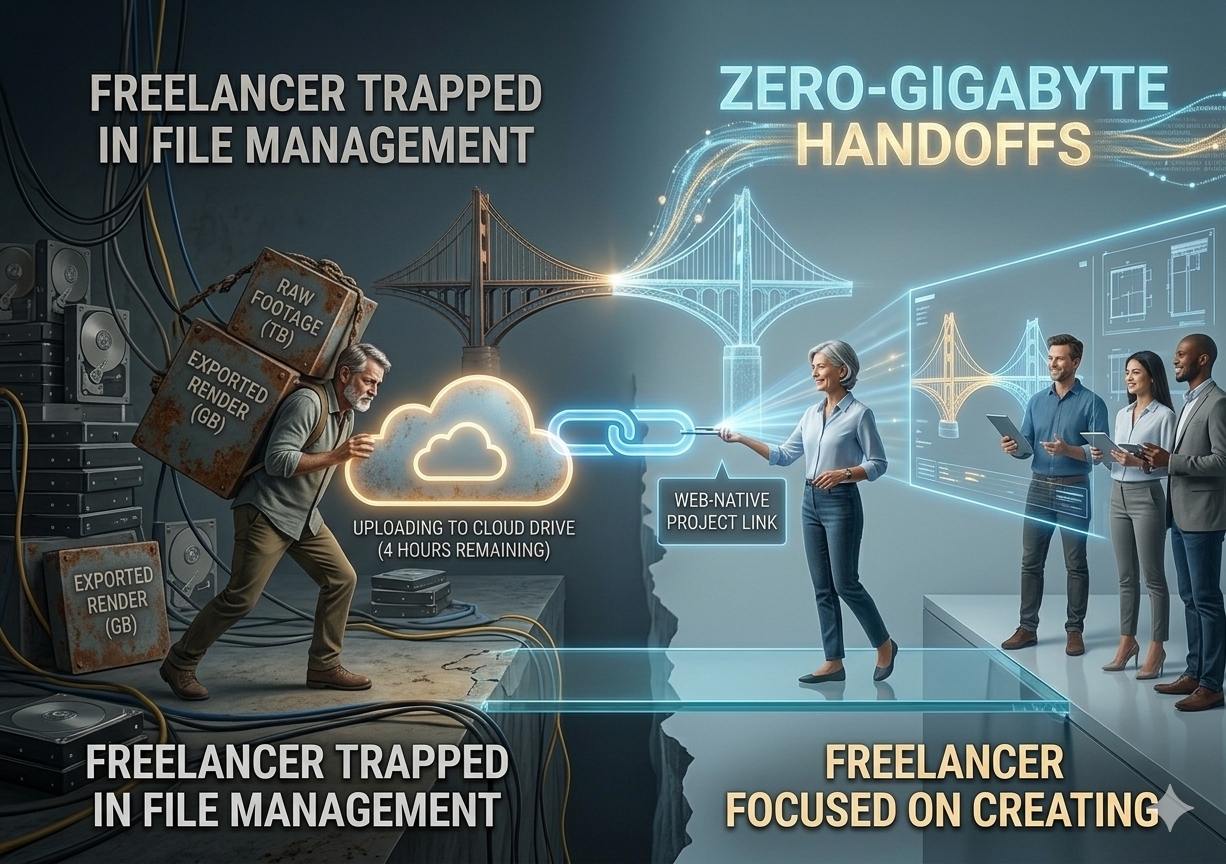
The integration of web-native engines marks a profound shift away from isolated local applications toward a completely unified, browser-centric ecosystem. In a traditional post-production model, independent freelancers, motion graphics artists, and audio mixers operate on separate islands. Sharing work requires constant exporting, sorting through confusing file naming conventions, and risking out-of-sync timelines.Web-native architectures completely dismantle these barriers by moving the shared core of a project—the active sequence timeline, version history, effect configurations, and client notes—directly into a lightweight browser runtime. This means that a freelance video editor can cut a rough draft in one tab while a distributed motion designer modifies visual assets in another, with both updates instantly merging onto a single live review link. Collaboration becomes organic and fluid rather than a forced, fragmented series of file transfers.This streamlined workflow offers major benefits for solo creators and remote production houses. Because project history is anchored directly inside the web-native environment, managing changes ceases to be a chaotic guessing game of comparing feedback sheets. Version control happens implicitly. Stakeholders can scrub through historical revisions, jump between different creative directions, and leave contextual, frame-accurate notes directly on the active timeline.By eliminating the slow, manual handoffs that frequently cause communication breakdowns and missed deadlines, web-native engines turn collaborative video editing into a highly responsive, professional experience. They ensure absolute continuity from the initial assembly edit all the way to the final delivery milestone.
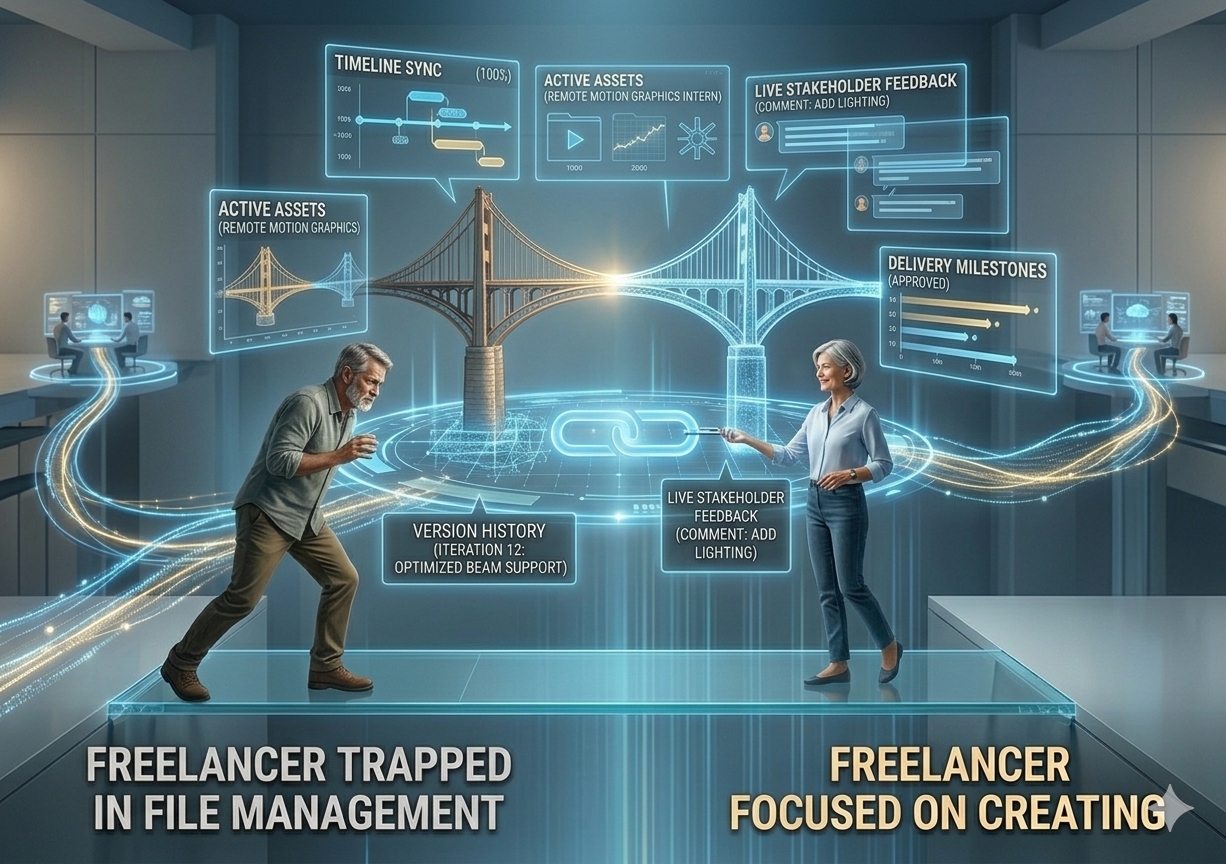
The client review stage is traditionally the most vulnerable bottleneck in a freelance editor's pipeline, often collapsing under the weight of unoptimized file sizes, broken video codecs, and fragmented communication channels. When a client is forced to download multi-gigabyte files or deal with localized software players just to watch a draft, the review process slows down significantly. Playback stuttering, missing fonts, or incorrect aspect ratios frequently derail reviews, shifting the client’s focus away from creative evaluation and onto technical troubleshooting.Web-native review links eliminate these technical boundaries completely by embedding the review environment natively into standard web browsers. When a client opens a project link, the web engine directly utilizes local hardware resources to stream real-time, high-fidelity timeline previews without requiring large file downloads.By turning review cycles into a frictionless, web-native experience, creators can vastly accelerate project sign-offs and build stronger professional relationships. Clients can quickly click a link, leave frame-accurate timestamped comments, and request changes directly inside the playback window. This direct interaction model replaces confusing feedback chains—such as messy email threads, typed timestamp logs, and vague phone explanations—with precise visual data.For freelancers, this clarity removes guesswork, ensuring that revisions are executed accurately on the very first try. For clients, it offers a transparent, premium experience that respects their time and turns the final delivery milestone into a smooth, satisfying conclusion.
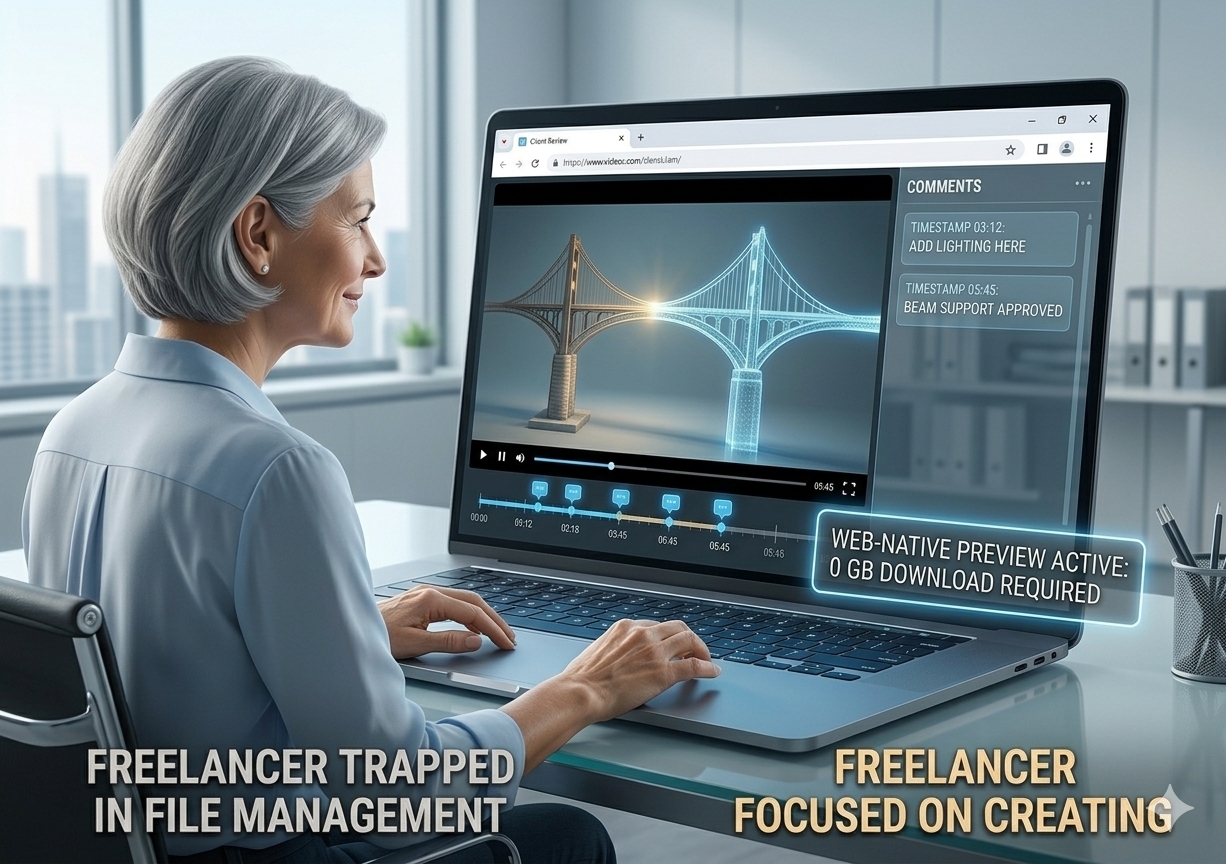
In the competitive landscape of independent video production, a creator's technical mastery can easily be overshadowed by a disorganized, frustrating offboarding process. Professional delivery extends far beyond the creative arrangement of clips on a timeline; it encompasses the entire client experience during the final, highly critical stages of a project's lifecycle. Traditional delivery methods—marred by broken download links, storage limit warnings, and confusing file configurations—frequently leave clients feeling anxious and disconnected just as a project is wrapping up. Implementing zero-gigabyte handoffs flips this dynamic entirely, transforming what is usually a technical bottleneck into a sleek, premium touchpoint that reflects the freelancer’s operational excellence.By utilizing web-native environments to serve up clean, instant project states directly in the client's browser, freelancers eliminate the typical download friction and present themselves as highly efficient, modern production partners. This sophisticated delivery ecosystem removes the logistical anxiety from final reviews, allowing stakeholders to experience the work exactly as intended without technical delays. When a client encounters an onboarding and review pipeline that requires zero software installations, zero local storage management, and zero download downtime, their trust in the creator's operational capabilities deepens. This friction-free interaction ultimately leaves a powerful, lasting impression that drives repeat business, positioning the freelancer not merely as an available technician, but as a indispensable asset to the client's ongoing content strategy.
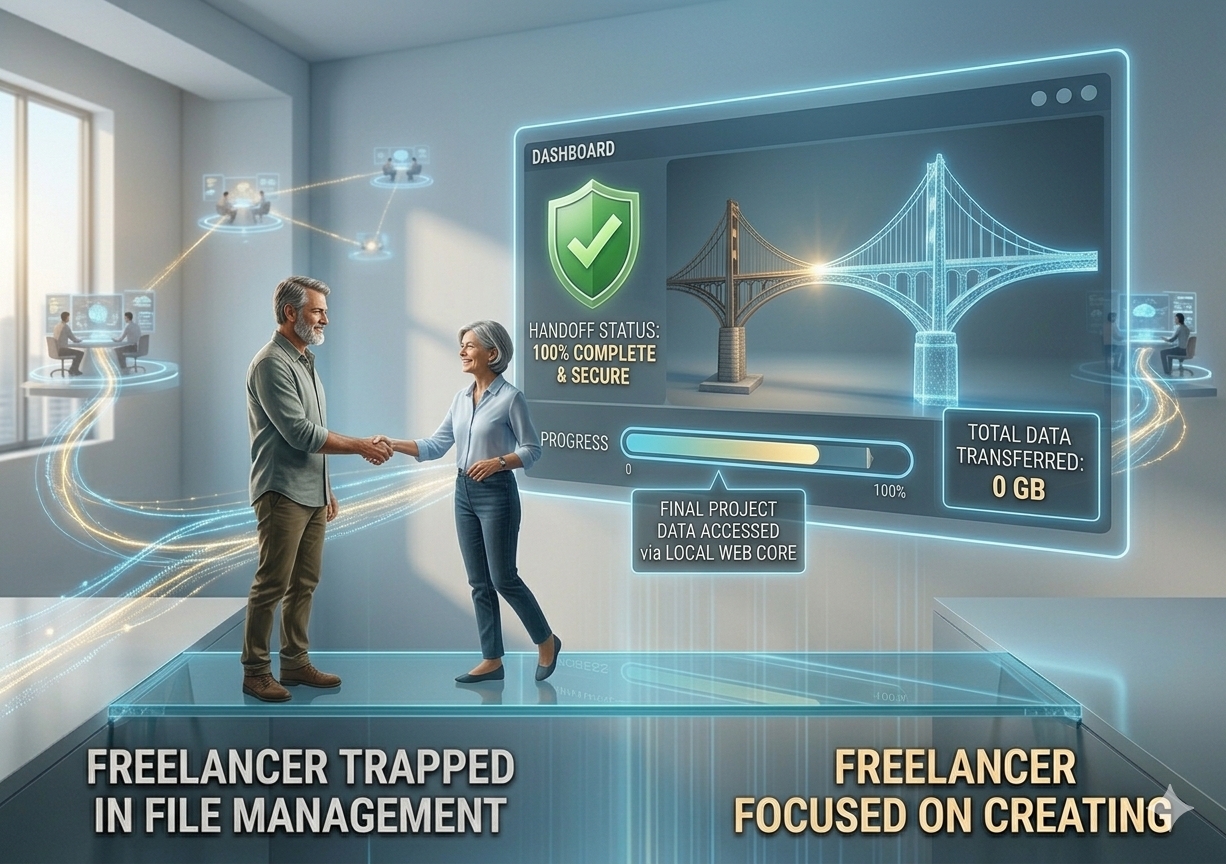
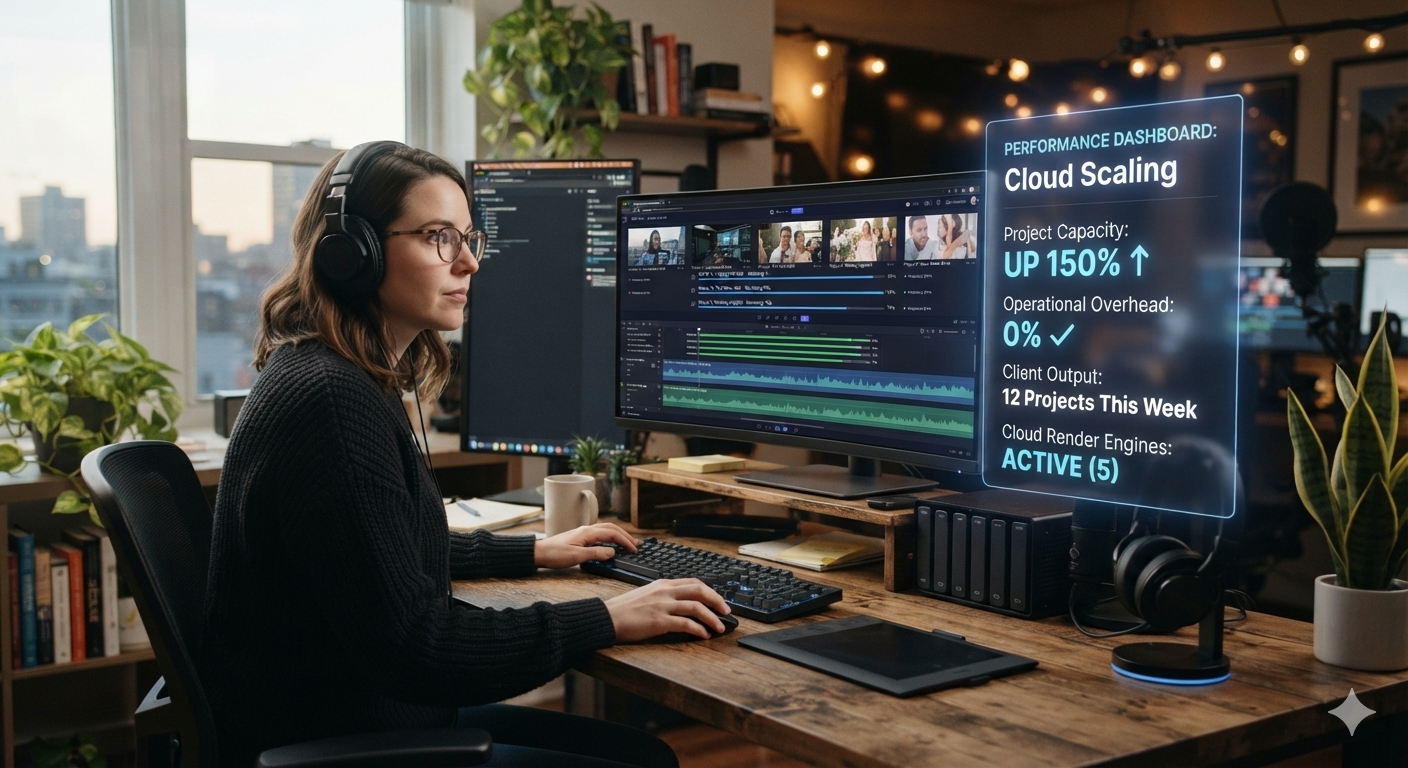
Transitioning to web-native architectures shifts a video freelancer's focus from backend technical chores to pure business growth. In a crowded creative market where technical skills are highly accessible, operational efficiency becomes a key point of differentiation. Freelancers who still rely on legacy rendering and uploading workflows face an invisible capacity cap. They get bogged down by administrative tasks like managing local hard drives, dealing with upload failures, and writing out detailed emails to guide clients through complex software steps. By using local browser engines to handle project handoffs and live reviews instantly, creators remove these roadblocks entirely. This shift lowers the friction of managing clients, allowing solo editors, colorists, and post-production studios to take on a higher volume of work without burning out or needing to hire operational support teams.Furthermore, adopting a zero-gigabyte approach matches a broader shift in consumer and business expectations. Clients who use instantaneous, cloud-synced applications in their daily lives expect that same level of speed and simplicity when working with creative professionals. When a freelancer provides a clean web link that plays complex timelines, versions, and edits instantly on any device, it elevates the entire production experience. This process turns a typically confusing part of the project into a professional, high-end service. For independent creators aiming to grow their business, web-native engines offer a highly effective path forward. They show clients that a modern production workflow values creative precision and client time equally.